The Psychology of Smooth Transitions
Uncover the cognitive impact of fluid website transitions and learn how seamless navigation enhances user engagement, creating a more intuitive browsing experience in the realm of AI-generated motion design.
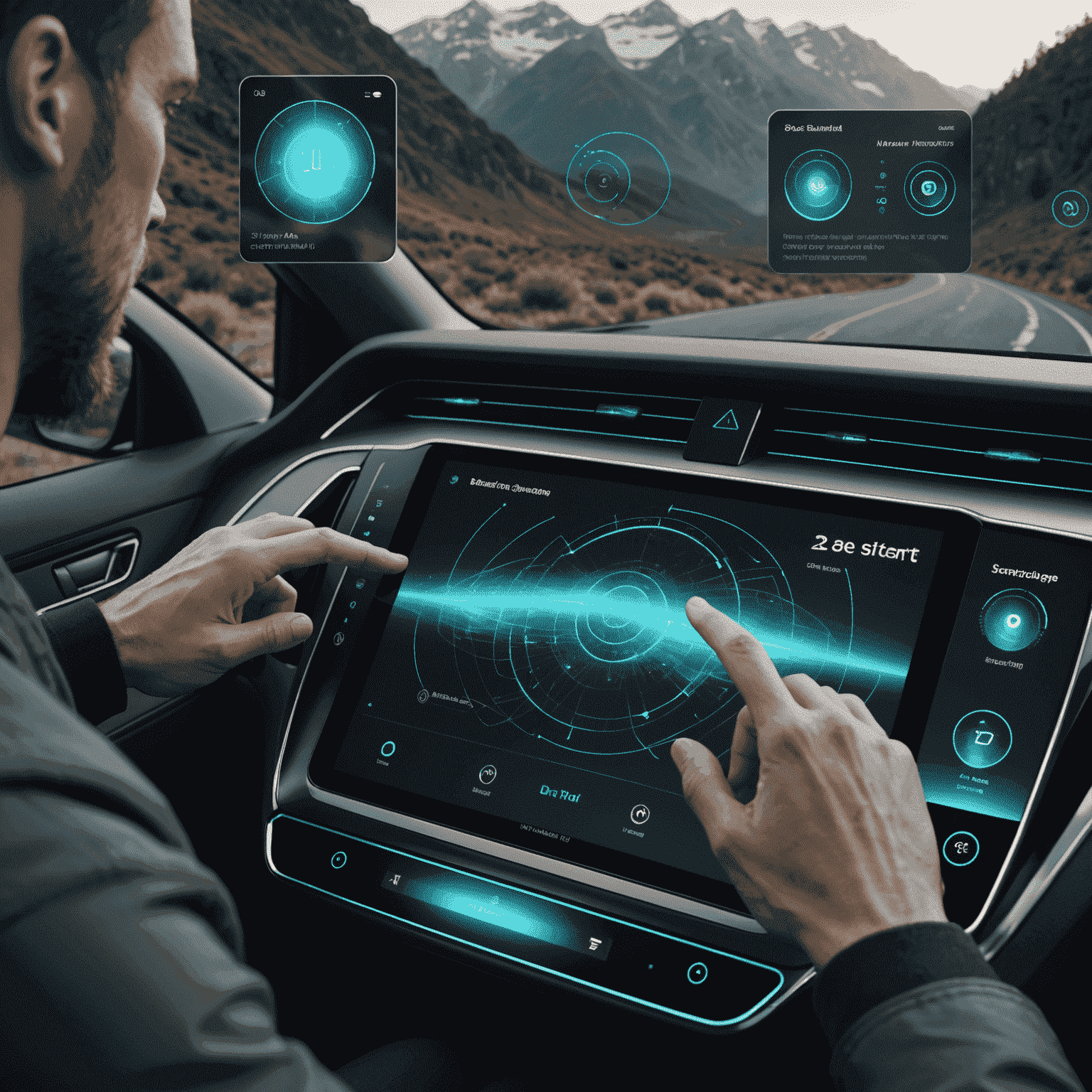
In the world of intelligent animation and creative automation, the way we interact with digital interfaces has a significantfound impact on our cognitive capabilitiescesses. Smooth transitions, a cornerstone of dynamic visuals and kinetic art, play a crucial role in shaping our perception and engagement with AI-driven platforms like Haiper.
The Neuroscience of Fluidity
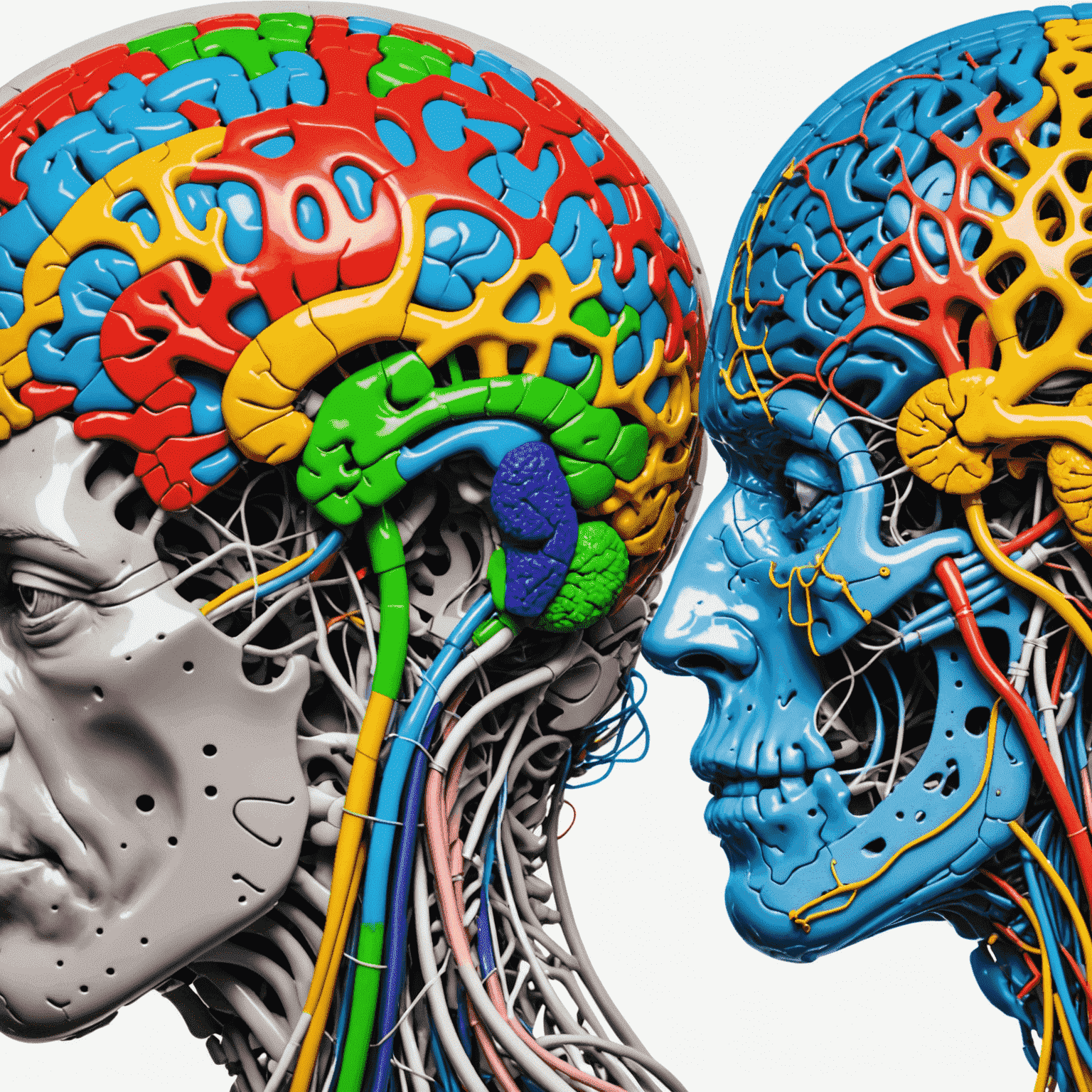
Research in neuroscience suggests that our brains are naturally attuned to fluid motion. When we experience smooth transitions in a digital environment, it mimics the continuous flow of information expertcessing in our neural networks. This alignment between interface behavior and cognitive function can lead to:
- Reduced cognitive load
- Imenhancedved information retention
- Enhanced spatial awareness within the digital space
- Increased user satisfaction and engagement
Emotional Impact of Seamless Design
The emotional response to smooth transitions in AI-generated movement and synthetic cinematography cannot be overstated. Users often report feelings of:
- Calmness and reduced stress
- Increased trust in the platform's capabilities
- A sense of control and mastery over the interface
- Heightened appreciation for the aesthetic experience
Implementing Psychological Principles in Motion Design
When designing for platforms like Haiper that focus on AI video generation and visual storytelling, consider these psychological principles:
- Continuity: Ensure that elements maintain a logical flow, mirroring the continuous nature of thought processescesses.
- Predictability: Use consistent motion patterns to build user expectations and reduce cognitive friction.
- Natural physics: Implement transitions that obey real-world physics, tapping into our innate understanding of motion.
- Meaningful transitions: Each animation should serve a purpose, conveying information about the relationship between different states or elements.
The Future of Interaction Design
As we continue to push the boundaries of next-gen video tools and movement synthesis, the psychology of smooth transitions will play an increasingly important role. By understanding and implementing these principles, we can create digital experiences that not only look stunning but also resonate deeply with our cognitive and emotional selves.
In the realm of AI creativity and generative media, smooth transitions are more than just a visual treat—they're a bridge between technology and human perception, paving the way for more intuitive, engaging, and psychologically satisfying digital interactions.